
- Introduction
As the U.S. population continues to grow, so does the demand for food—especially meat. According to the U.S. Census Bureau, the country’s population increased from 336.8 million in July 2023 to 340.1 million in July 2024 (Wilder). To meet this rising demand in a more sustainable way, plant-based meats are emerging as a popular solution. These products mimic the taste, texture, and look of traditional animal products; they are often highly engineered to closely replicate their animal-based counterparts.
Plant-based meats are marketed as offering similar nutrition and appearance to real meat, while also promoting animal welfare, protecting the environment, and improving overall health. However, their rapid growth also brings controversy, such as concerns about processing, cost and cultural acceptance. These concerns highlight the importance of examining both the cultural evolution and the current challenges of plant-based meat. This essay explores the rise of plant-based meat in the United States, focusing on its historical origins, growing cultural relevance, and the key controversies surrounding its adoption.
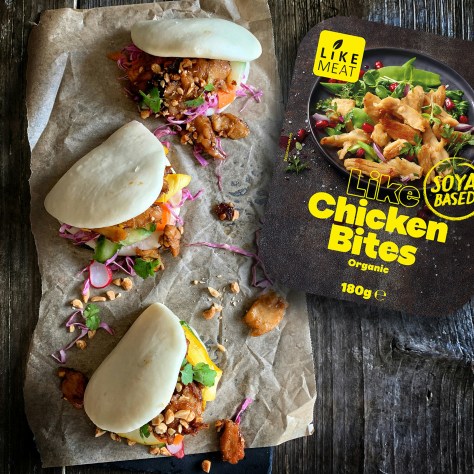
- History of Plant-Based Meat in the U.S
Although plant-based meat may seem like a modern trend, its origins in the U.S. go back more than a century. In 1876, the first World’s Fair in the U.S., held in Philadelphia, introduced Americans to tofu and miso—traditional Asian foods used as meat alternatives. The event celebrated innovation and cultural exchange, and meat substitutes were recognized for their nutritional value and potential to replace meat (Lazzaris).
In 1896, Dr. John Harvey Kellogg introduced Nuttose, the first commercial meat alternative in the Western world. Made mainly from peanuts, it was designed to resemble the taste and look of roast meat. In 1987, British scientists discovered a protein-rich fungus, Fusarium venenatum, which was later used to produce Quorn, a well-known meat substitute in the UK. “Linda McCartney Foods was established in 1991 and has been described as one of the most successful mass-market celebrity brands. They produce a range of meat alternatives with soy as the primary ingredient” (Lazzaris).
A major change came in the 2010s with the development of plant-based meats that looked, tasted, and cooked like real meat “biomimicry revolutionized our ability to mimic meat” (Lazzaris). Companies like Beyond Meat (founded in 2009) and Impossible Foods (founded in 2011) led this new movement “These products gained attention for being nearly indistinguishable from traditional meat thanks to advances in science and technology” (Lazzaris). The popularity of these products grew quickly. By the early 2020s plant-based meats were available in many grocery stores and restaurants – including fast food- across the country.
- Cultural Significance
According to the Good Food Institute, the U.S. plant-based industry has more than doubled in value over the past decade, growing from $3.9 billion in 2017 to $8.1 billion in 2024 (Kirchner et al). Another report from Research and Markets shows that the Plant-based food market is expected to reach US$ 26.72 billion in 2033 (“United States Plant Based Food Market by Segments by Food Services and Company Analysis 2025-2033”). Much of this growth is driven by Gen Z and Millennials, who are motivated by animal welfare concerns and a shift toward more sustainable eating. Their adoption of ethical and flexitarian lifestyles continues to expand demand for plant-based options.
Health is another significant factor influencing consumer interest. Plant-based meats are rich in essential nutrients like vitamins, minerals, and antioxidants, which support overall health. Studies show that plant-based diets can aid in managing weight, controlling diabetes, and supporting gut health, while also reducing the risk of conditions such as high blood pressure and heart disease. Health organizations, including the World Health Organization (WHO) and American Heart Association (AHA), caution against red and processed meats due to potential cancer risks and suggest replacing meat with plant proteins to support heart health (Richards).
Another key benefit promoted by the plant-based industry is the reduced carbon emissions associated with plant-based meat compared to traditional animal products. A U.S. survey found that most consumers recognize the link between food production and climate change, with many preferring plant-based meats due to their smaller environmental footprint. Studies show that replacing portions of ground beef with plant-based meat significantly reduces land use, water consumption, and greenhouse gas emissions. This shift is expected to support continued growth in the plant-based food industry (“United States Plant Based Food Market by Segments by Food Services and Company Analysis 2025-2033”).
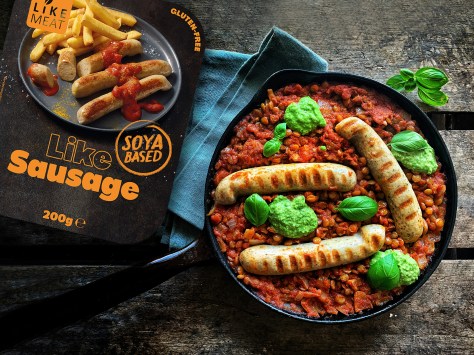
- Controversial Aspects
There are some controversial aspects regarding the consumption of plant-based meat. While plant-based meats offer many benefits, they also come with certain obstacles. One concern is that many commercial plant-based meats are highly processed, containing additives, sodium, and preservatives to mimic the taste and texture of animal products. This can reduce the overall health benefits compared to eating whole plant foods. “People who wish to try plant-based meats should look at the ingredients list to help them choose nutrient-dense products. They may also want to avoid or limit accompaniments that will add excess sugar, fat, or salt” (Richards).
Another concern for the plant-based food industry in the U.S. is that these products often cost more than regular animal-based foods. This price difference is mainly because the ingredients are more expensive, the production process is more complex, and transportation costs are higher. Because of this, many people, especially those with lower incomes— may be less likely to choose plant-based meats. Even though prices have started to decline as industry grows, many consumers still find them too expensive. As a result, they continue buying cheaper animal-based products (“United States Plant Based Food Market by Segments by Food Services and Company Analysis 2025-2033”).
The taste and texture of plant-based meat is still a topic of debate. Many products have improved and now taste more like real meat, which has helped them become more popular. For example, some consumers report that plant-based chicken nuggets closely resemble the taste and texture of conventional options. But not all plant-based meats are the same—some still don’t taste or feel like real meat. Taste is one of the main reasons people don’t buy them. In fact, 36% of people who tried plant-based meat but stopped eating it say they would try it again if it tasted and felt just like regular meat (Kirchner et al).
- Conclusion
Plant-based meat has a long and evolving history in the U.S., from early alternatives like tofu and Nuttose to modern, biomimetic products from companies such as Beyond Meat and Impossible Foods. Driven by concerns about health, the environment, and animal welfare, younger generations—particularly Gen Z and Millennials—are helping push this industry toward a projected $26.7 billion market by 2033.
While plant-based meats offer promising health and environmental benefits, they also face significant challenges. These include high levels of processing, affordability issues, and consumer dissatisfaction with taste and texture. The increasing popularity of plant-based meat aligns with broader trends favoring environmentally conscious and health-oriented dietary choices. For the movement to succeed in the long term, manufacturers must continue to innovate while addressing these remaining concerns.

By Silvia Gavelli
Words Cited
Kirchner, Jody, et al. “U.S. retail market insights for the plant-based industry”, Good Food Institute, 1 December 2024, https://gfi.org/marketresearch/
Lazzaris, Silvia. “The Origin of Meat Alternative”. Food Unfolded, 19 September 2024, https://www.foodunfolded.com/article/the-origin-of-meat-alternatives
Richards, Louisa. “Is plant-based meat healthy?” Medical News Today, 24 August 2021, https://www.medicalnewstoday.com/articles/is-plant-based-meat-healthy
“United States Plant Based Food Market by Segments by Food Services and Company Analysis 2025-2033”. Research and Markets, January 2025, https://www.researchandmarkets.com/report/united-states-plant- based-food-markethttps://www.researchandmarkets.com/report/united-states-plant- based-food-market Informative Essay Final Draft_ Silvia Gavelli.pdf Download https://www.researchandmarkets.com/report/united-states-plant- based-food-market Informative Essay Final Draft_ Silvia Gavelli.pdf
Wilder, Kristie. “New 2024 Population Estimates Show Nation’s Population Grew by About 1% to 340.1 million Since 2023”, United States Census Bureu, 19 December 2024, https://www.census.gov/library/stories/2024/12/population-estimates.html
 Nerdome
You must be logged in to post a comment.