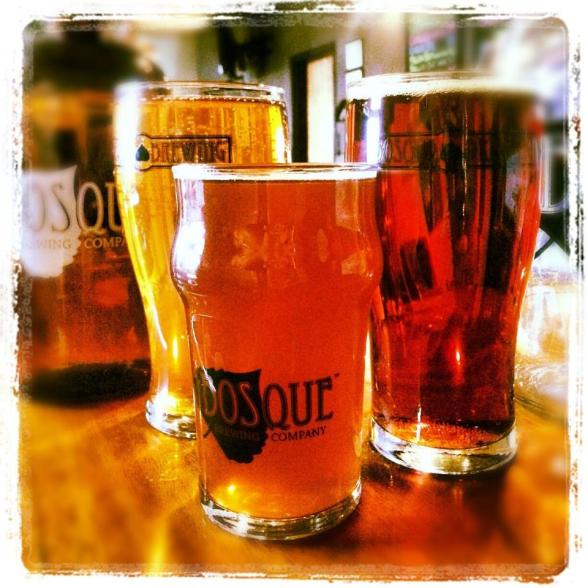
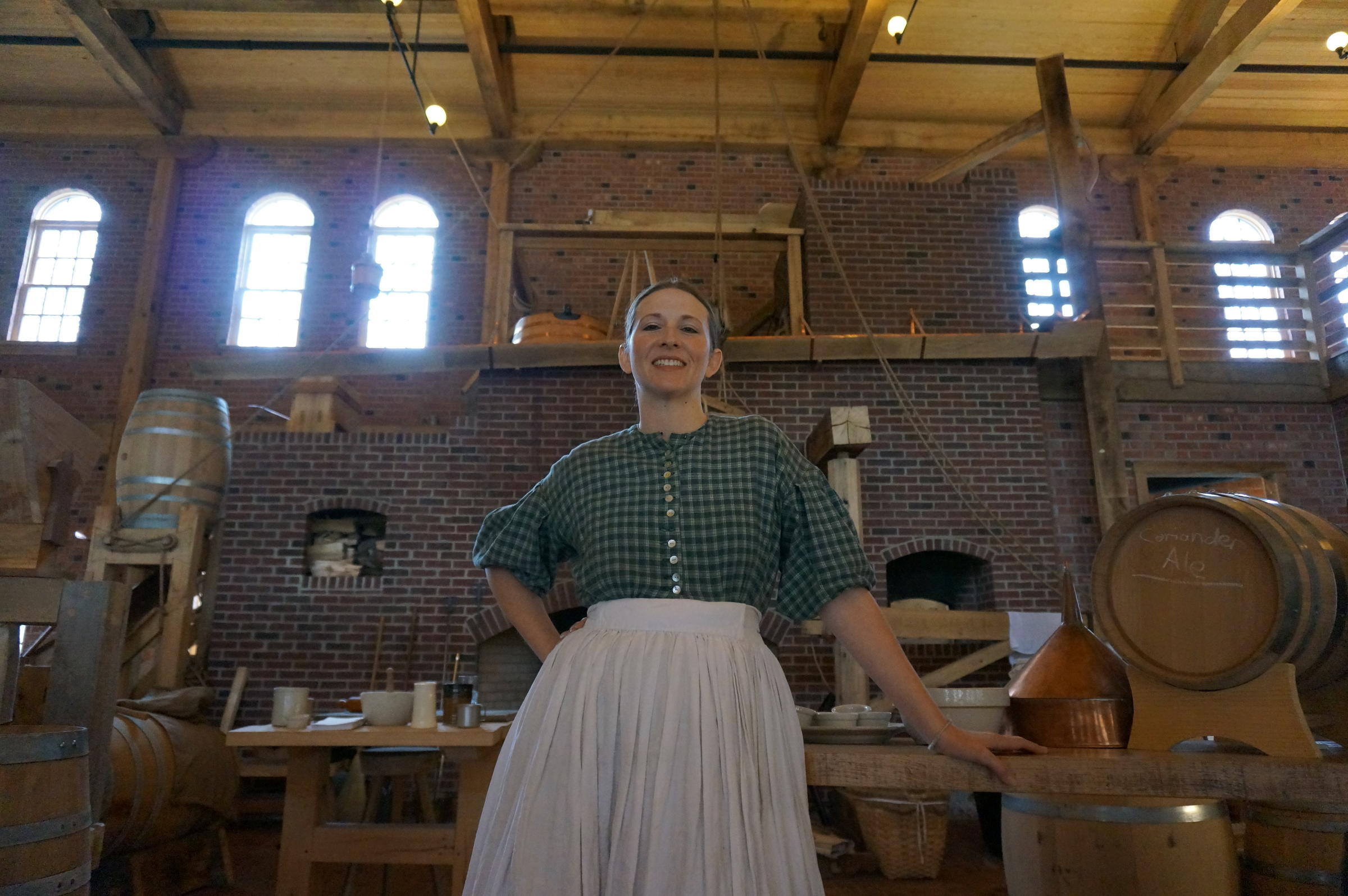
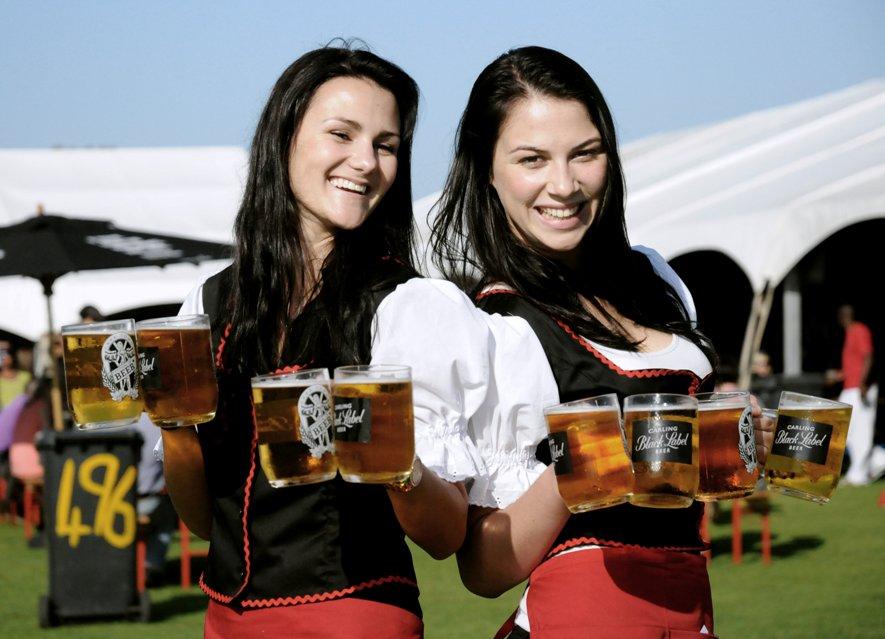
Hybrid Microbrews

This gallery contains 6 photos.

Hybrid Microbrews Cream ale/American lager/blonde ale This blend produces a mild, pale, light bodied ale. This can be made using a warm fermentation (either top or bottom) and cold lagering or also by blending top and bottom fermented beers. The hop bitterness in the style is normally very low, with hip aroma often absent. Sometimes […]

Methods Of Microbrewing

Microbrewing methods

Methods Of Microbrewing

The first thing you’ll need to do when brewing is
to sanitize everything that will come in contact
with your unfermented beer. It will take time
for the sanitizer to do its job, so don’t rush
things.

Next, you’ll need to rinse everything to remove
any remaining sanitizer. Any remaining sanitizer
can kill of your yeast if you don’t rinse things
well. Add 3 1/2 gallons of water to your
fermenter then seal it with the fermenter’s lid
or a rubber stopper. This should be done as
soon as you can before you begin to cook the
wort.

scheme-microbrewery-mbr-cf-001-en1

Cooking
Add 2 gallons of cold water to the pot and bring
it to a boil. Once the water has started to boil,
add your malt syrup or extract kit. Always watch
your pot boil and never leave it. Stir it well,
until the extract has dissolved.

vyvijec-pary-plyn-001

Boiling over can create a mess and cause you to
loose precious ingredients. Malt doesn’t boil
like water, as it comes to a boil the liquid will
expand and foam over the top. Stir constantly
and keep a close watch to avoid boiling over.

Add a few tablespoons of your boiling wort to
1 cup of cool water in a santized container,
making sure the temperature isn’t too high.
Next, add your yeast packet and cover the
container with a saucer or lid.

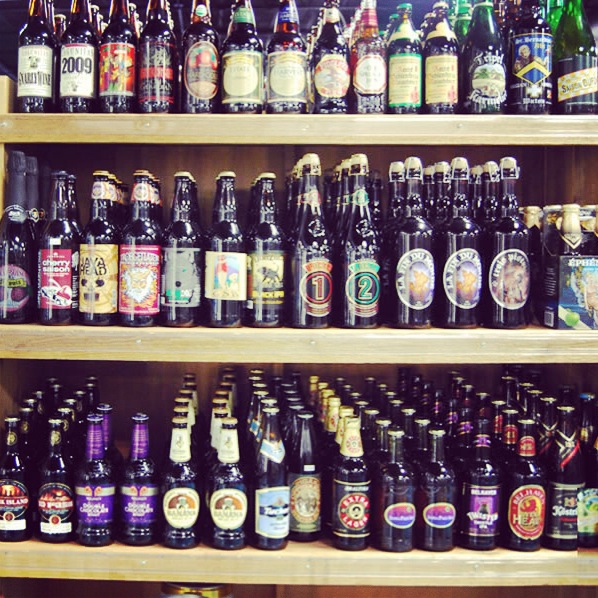
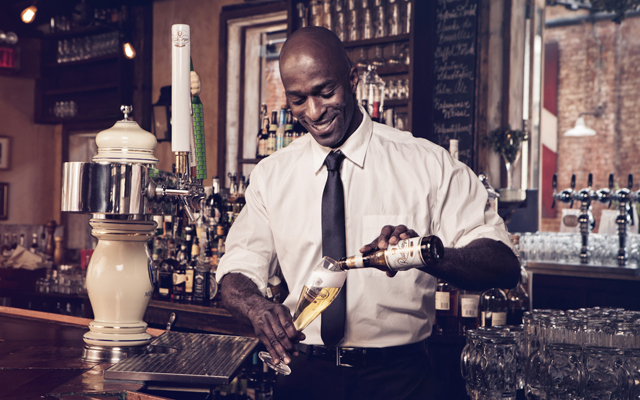
A bar selling 'crafty' beer is more popular than a bar selling 'craft' beer.

Pitching yeast
After the wort has finished boiling, allow the
mixture time to cool to 70 – 80 degrees then
pitch the yeast into your fermenter, which you
already have filled to 2/3 of the desired
final level with cold water.

Tonya_Brock_Bar_Manager_@_Carillon_Brewing_Company

These are the basic steps for brewing your
own microbrews. You’ll also have to siphon,
bottle, then pour your brew. The final steps
aren’t that difficult, although they do
require a certain level of precision. If
this is your first time brewing, you should
watch someone experienced first.

Festival of Beer 1

With microbrewing, there are many different
methods, including fruit. Fruit is unlike
other types of microbrews, as the method
introduces fruit into the equation and makes
for a very unique – yet interesting taste.

vegas_mockup2

When brewing your own beers, you can use
any method you prefer. Some are harder than
others, although a little bit of time is all
you need to become a pro. Once you have been
brewing for a while, you’ll be able to
brew even the most exotic of microbrews – all
it takes is time and dedication.

http://www.nerdomeblog.com

Intro To Microbrews

Intro to Microbrews

Intro To Microbrews

With their varying flavor intensities and alcohol
contents, microbrews are here because beer
distributors noticed a market demand and took a
gamble on imports like Corona in the 70s. This
type of flavorful beer sold to a limited yet very
enthusiastic crowd.

Intro to Microbrewes

Beer manufacturers create what sells, therefore
they didn’t believe there would be a significant
maket with those types of beers. Consumer studies
and sales showed that the biggest part of the
American audiences enjoyed watery brew.

Microbrewers

Then, out of nowhere, microbrews popped up after
the first successful brew, Samuel Adams, fought
with import distributors to try and convince them
that a flavorful American beer would sell. Now,
we have more microbrews than ever before with more
coming out each and every day.

MainIntro Artisan Brew

Microbrews really hit when distributors really
believed that at least some people would buy them.
On the other hand, home brewers and brewpubs had
legal wars. In 1968, home brewing was legalized
and home brewers now had the support and assistance
of supply and advice stores.

seattle Brewery

Until 1983, brewpubs were illegal in all states.
Late in 1983, California first began to allow
brewpubs to brew and distribute their brands of
beer on site. These charming, yet small batch
breweries experienced high sales, especially in
restaurants.

craft-beer-brattleboro-vermont

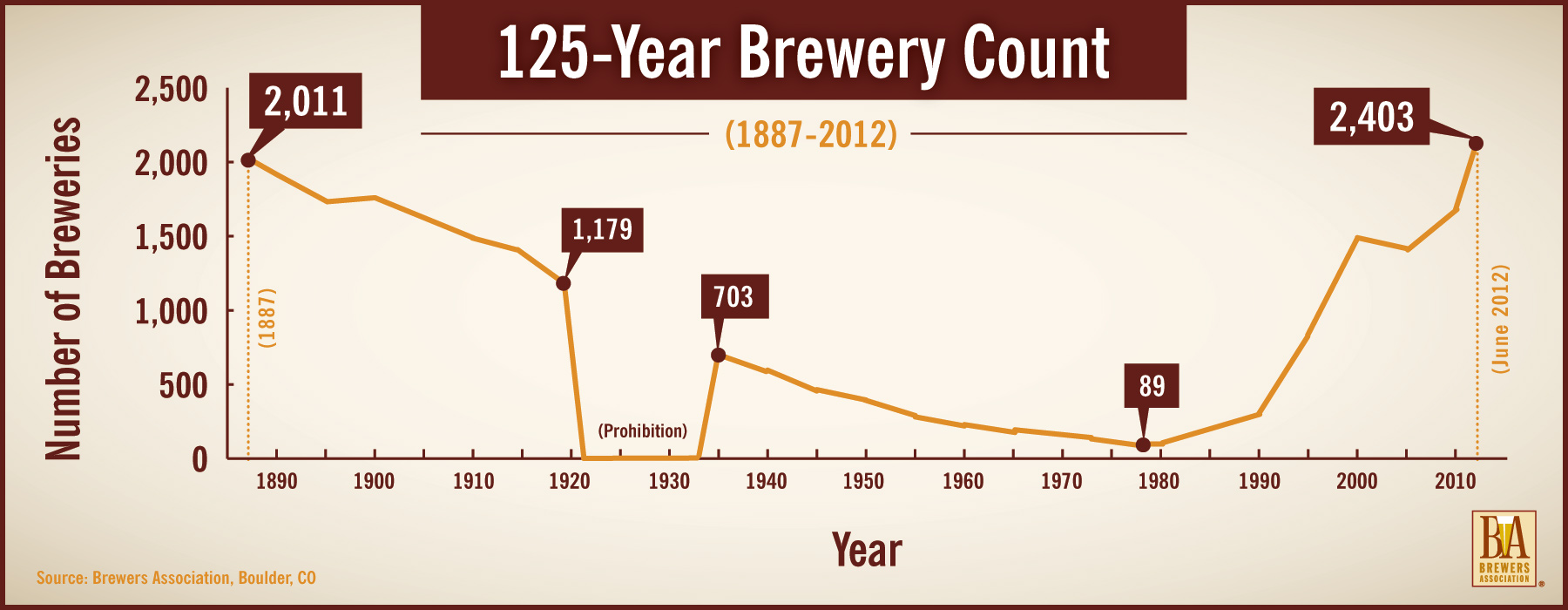
Around a century ago, the United States had more
than 2,000 breweries making many different styles
and variations. By the 80’s, there were only 40
brewing companies that offered a brand of American
Pilsner.

IMG_1960 - good

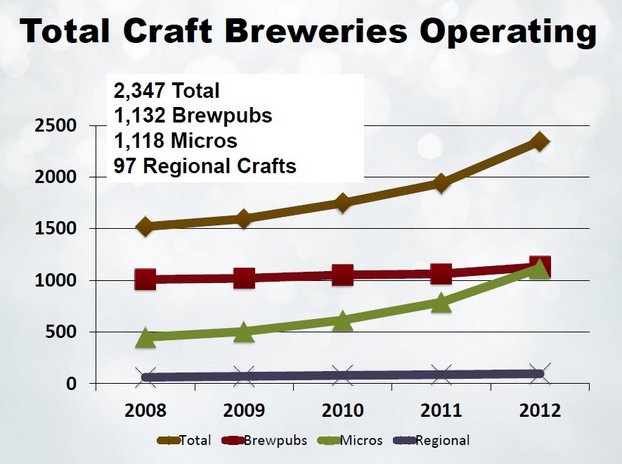
Today, there are over 500 microbreweries and brewpubs
in the United States. Over the past few years,
brewpubs have been popping up all over th e place,
even in bars that used to only carry the top beers.

http://www.nerdomeblog.com

History of Microbrews

Microbrewery History

History of Microbrews

Many historians believe that the ancient Sumerians
and Mesopotamians were brewing as early back as
10,000 B.C. Even though this product would have
been different from the bottles varieties of today,
it would have still been recognizable.

number-of-breweries-in-the-usa-june-2012

The ancient Egyptians and the Chinese brewed their
beer, as did civilizations in America, where they
used corn instead of barley. Back then, thousands
of years ago, microbrews were very popular and
on their way to what we now know and love today.

Total-Craft-Breweries-Operating

In the middle ages, European monks were the
guardians of literature and science, as well as
the art of making beer. They refined the process
to perfection, and even institutionalized the use
of hops as both flavoring and a preservative.

Microbrewery his 2

It wasn’t however, until Louis Pasteur came along
that a final, important development was determined.
Until this time, brewers had to depend on the wild
yet airborne yeast for fermentation. By establishing
that yeast is actually a living organism, he opened
the gates for controlling the conversion of sugar
into alcohol.

ratebeer_top10

Grapes grow well in warmer climates, while barley
grows better in cool climates. This is how the
northern areas of Germany and England first became
famous for their beers.

Beer in America
Everything in America went dim until the dark day
of 1920, when prohibition took effect. A lot of
breweries went out of business or switched their
production to soda pop. Not everyone stopped
drinking, but gangster related products weren’t
known for high quality.

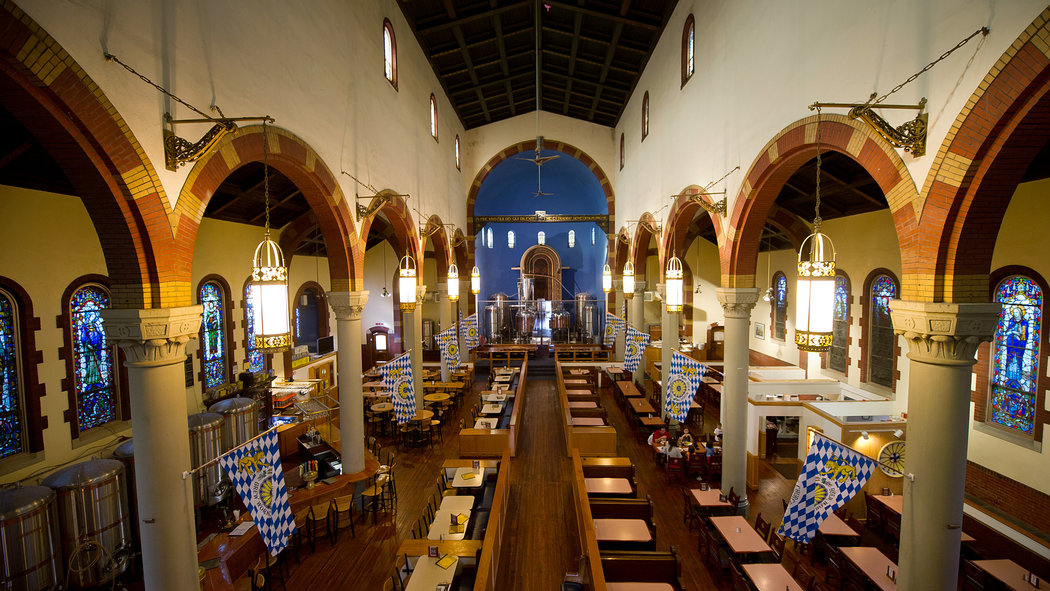
Parish-Publick-House

When Franklin D. Roosevelt became president, he
quickly appealed the very unpopular law. The
new breeds of now famous beer came after World War
2 were generally mass produced and very bland.

http://www.nerdomeblog.com

Beer Culture

beer-is-culture-ryan-paonessa

Beer Culture

Social context
Many social traditions and activities are very
associated with drinking beer, such as playing cards,
darts, or other games. The consumption of beer in
isolation and excess may be associated with people
drinking away their troubles, while drinking in
excess with company may be associated with binge
drinking.

Beer culture socialize

Around the world
All over the world, beer is consumed. There are
several breweries in the Middle East countries as
well, such as Iraq and Syria. There is also
breweries in African countries and other remote
countries such as Mongolia as well.

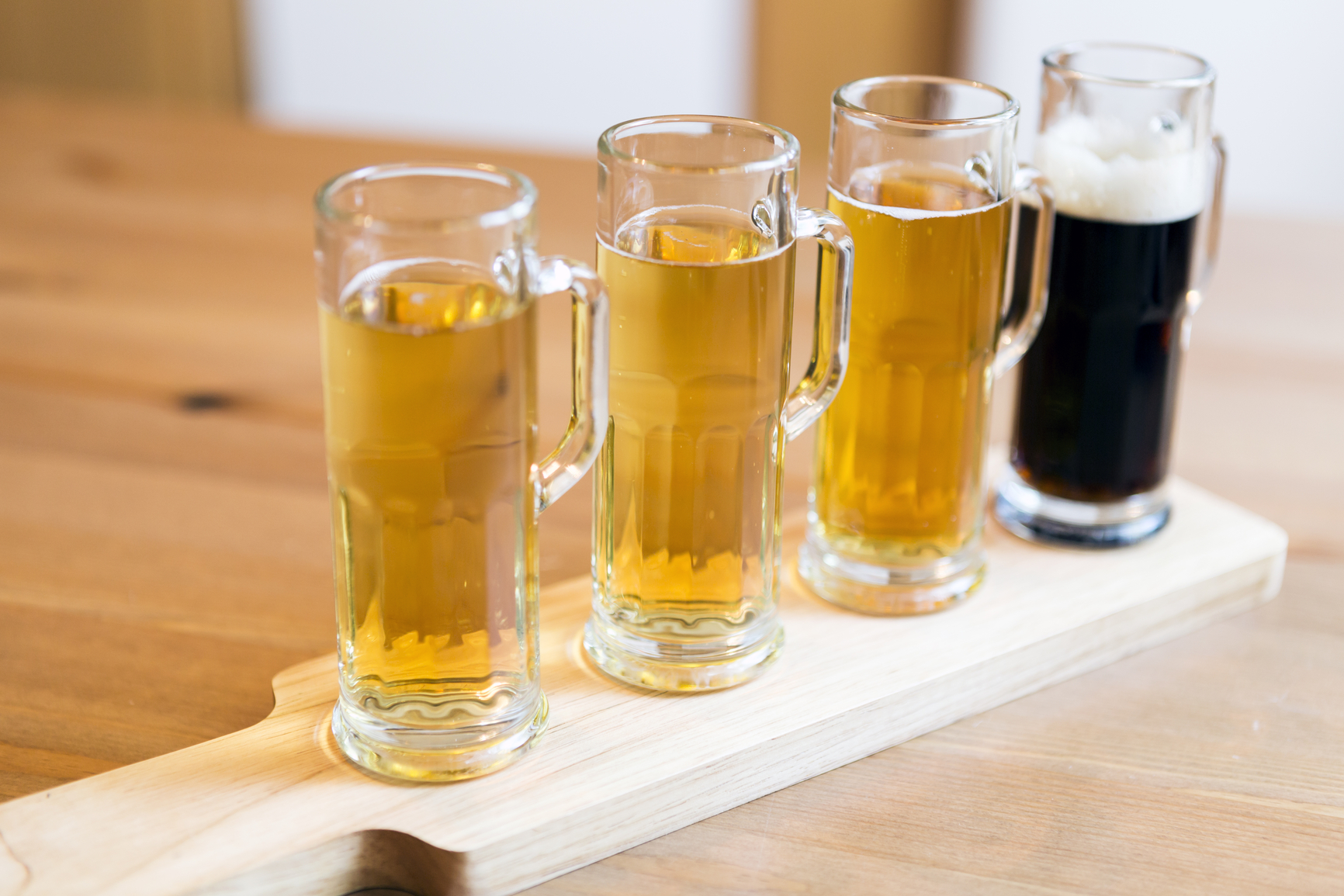
Beer Flight

Glassware serving
Getting an appropriate beer glass is considered
desirable by some drinkers. There are some drinkers
of beer that may sometimes drink out of the bottle
or can, while others may choose to pour their
beer into a glass. Drinking from a bottle picks
up aromas by the nose, so if a drinker wishes to
appreciate the aroma of a beer, the beer is first
poured into a mug, glass, or stein.

Similar to wine, there is specialized styles of
glasses for some types of beer, with some breweries
producing glassware intended for their own styles
of beer.
Beer Temp

Temperature
The conditions for serving beer have a big influence
on a drinker’s experiences. An important factor
when drinking is the temperature – as colder
temperatures will start to inhibit the chemical
senses of the tongue and throat, which will narrow
down the flavor profile of beer, allow certain
lagers to release their crispness.
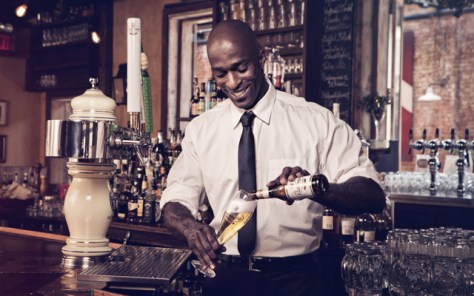
Beer Pouring

Pouring
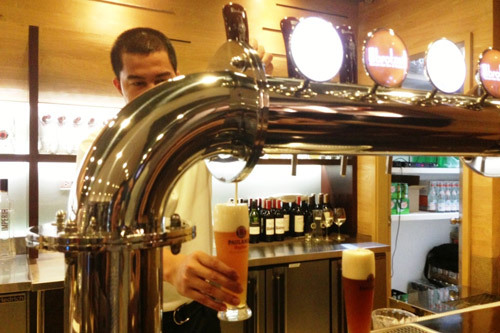
The process of pouring will have an influence on
the presentation of beer. The flow rate from the
tap, titling of the glass, and position of the
pour into the glass will all affect the outcome,
such as the size and longevity of the head and the
turbulence of the bar as it begins to release the
carbonation.

The more heavily carbonated beers such as German
pilseners will need settling time before they are
served, although many of them are served with the
addition of the remaining yeast at the bottom to
add extra color and flavor.

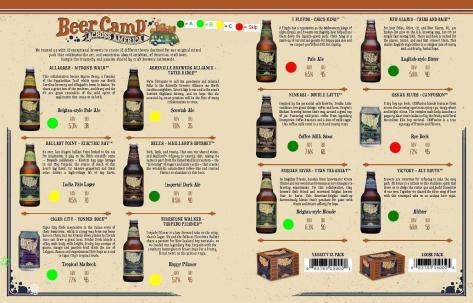
Beer Rating

Beer rating
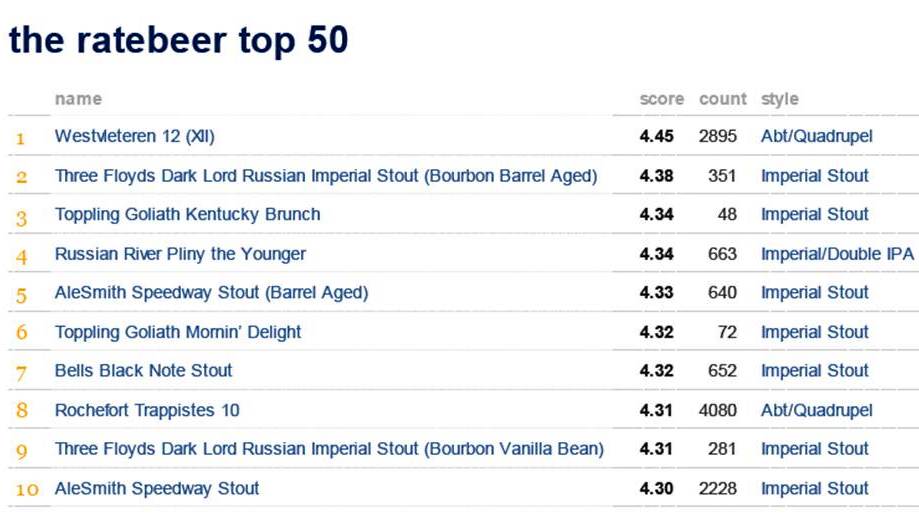
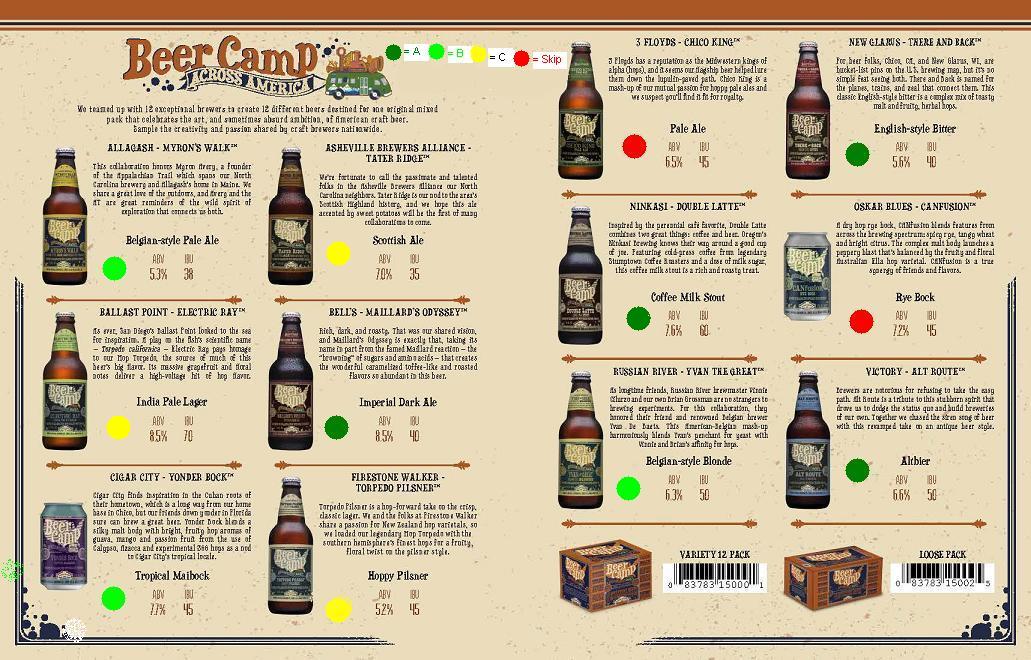
The rating of beer is a craze that combines the
enjoyment of drinking beer with the hobby of
collecting it. Those that drink beer sometimes
tend to record their scores and comments on various
internet websites.  (below sample)
Beer Rating two

This is a worldwide activity, as people in the
United States will swap bottles of beer with those
living in New Zealand and Russia. The scores may
then be tallied together to create lists of the
most popular beers in each country as well as
those throughout the world.

http://www.nerdomeblog.com

Personal Mastery Principles

This gallery contains 8 photos.

Personal Mastery Principles There are people who fully understand how important it is to develop their skill and know their strengths and weaknesses to be able to deal with their growth and development. Those who have known and developed personal mastery would be able to listen to themselves and maintain balance in their life. Personal […]

LAWS OF MAGNETIC ACTION.

GigaWorld's avatarNerdome

Laws of magnetic action

LAWS OF MAGNETIC ACTION.

FIRST LAW: Relation of Power to “Tone”. The effectiveness of magnetism in action depends upon harmony of “tone” between its possessor and any other person, and in securing such “tone”  harmony, on any magnetic plane, in any particular psychic state, at any given time, psychic and physical magnetism mutually cooperate.

SECOND LAW: Magnetic Intention. The magnetic intention (“I INTEND MAGNETICALLY”) intensifies otherwise unconscious magnetism, and runs through all the mass of general etheric vibrations like a theme in complicated music, imparting to them unity, character, intelligence, and definite and enormous effectiveness in practical employment.

THIRD LAW: Influence of Purpose. In the employment of magnetism, long-run purpose establishes etheric character, and specialized purpose confirms that character if it concentrates the general purpose, but confuses that character, perhaps destroys it, if it antagonizes the general purpose.

FOURTH LAW: Force of the Ideal. Idealism of motive determines the character…

View original post 1,103 more words